01
Twin / Mirror
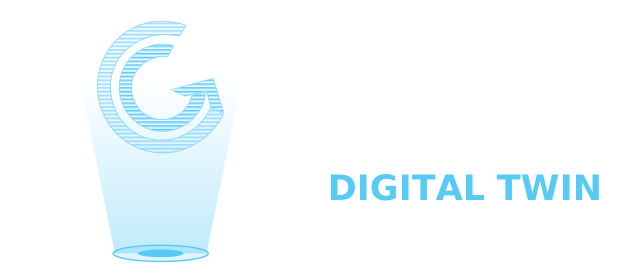
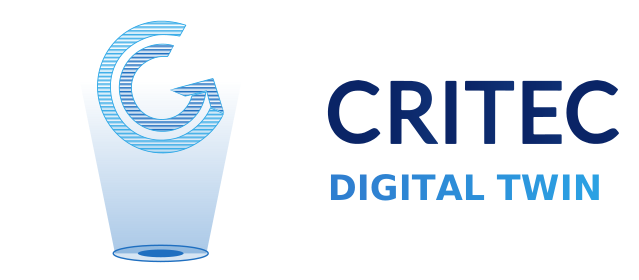
Ghost Twin
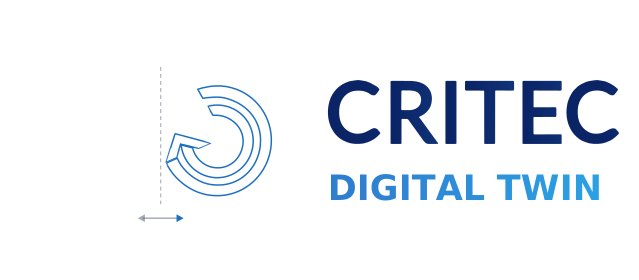
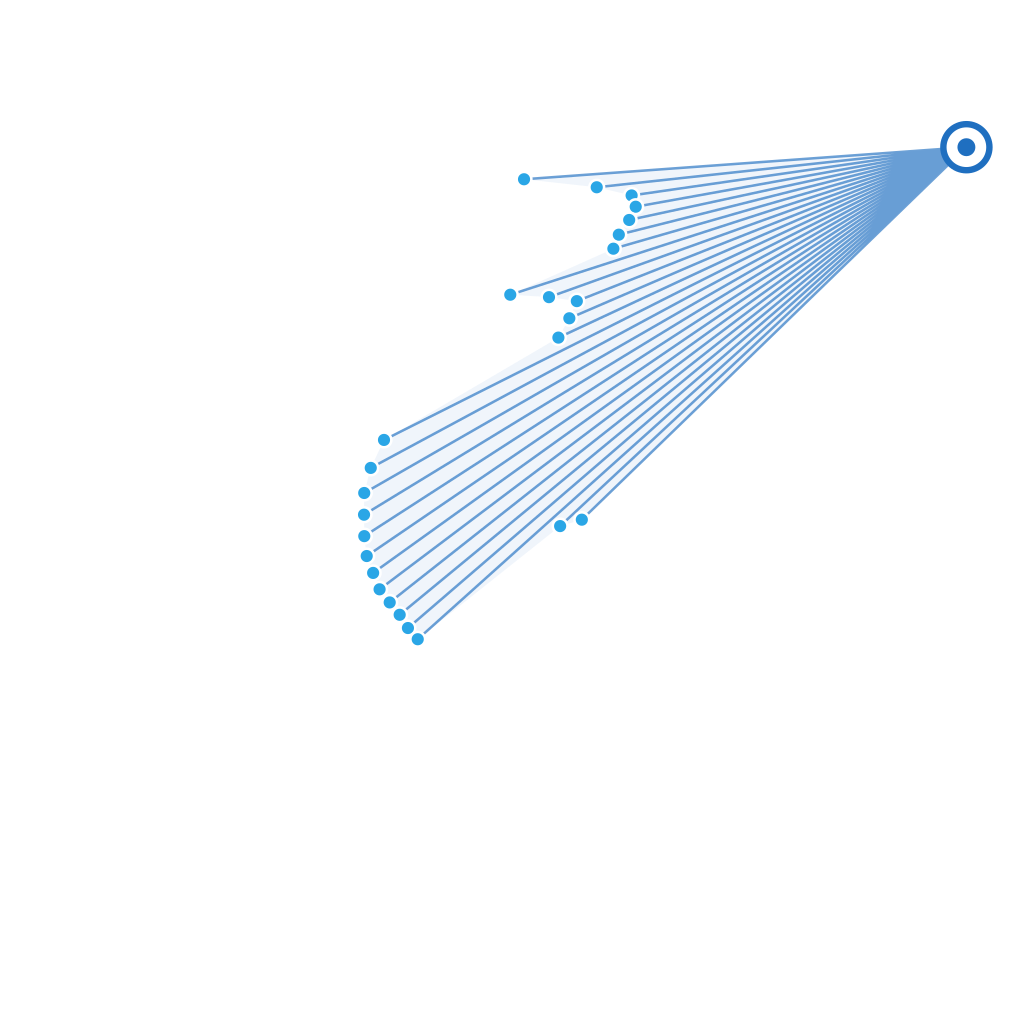
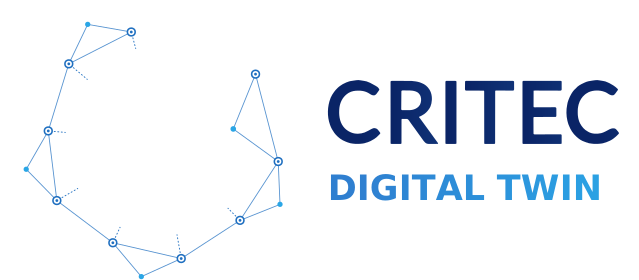
The real mark with its wireframe twin projected up and to the right — dashed projection lines tie each point of the asset to its digital copy.
25 exploratory marks for the Critec Digital Twin sub-brand. Every concept keeps the real C+G mark — the official 3-D render stands in for the physical asset — and pairs it with its digital twin: wireframe, point cloud, scan, live data. Tap any tile to open it larger. Pick one (or several) for refinement.
The real mark with its wireframe twin projected up and to the right — dashed projection lines tie each point of the asset to its digital copy.
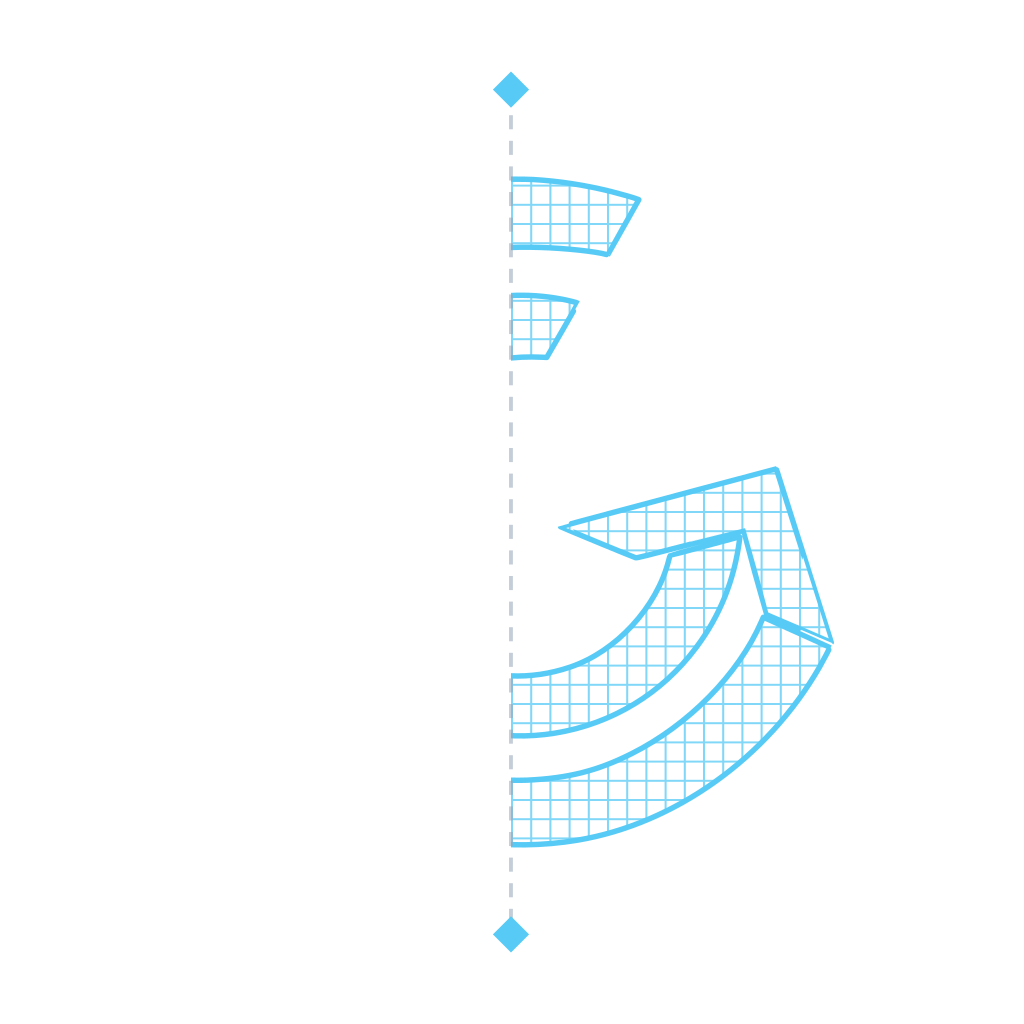
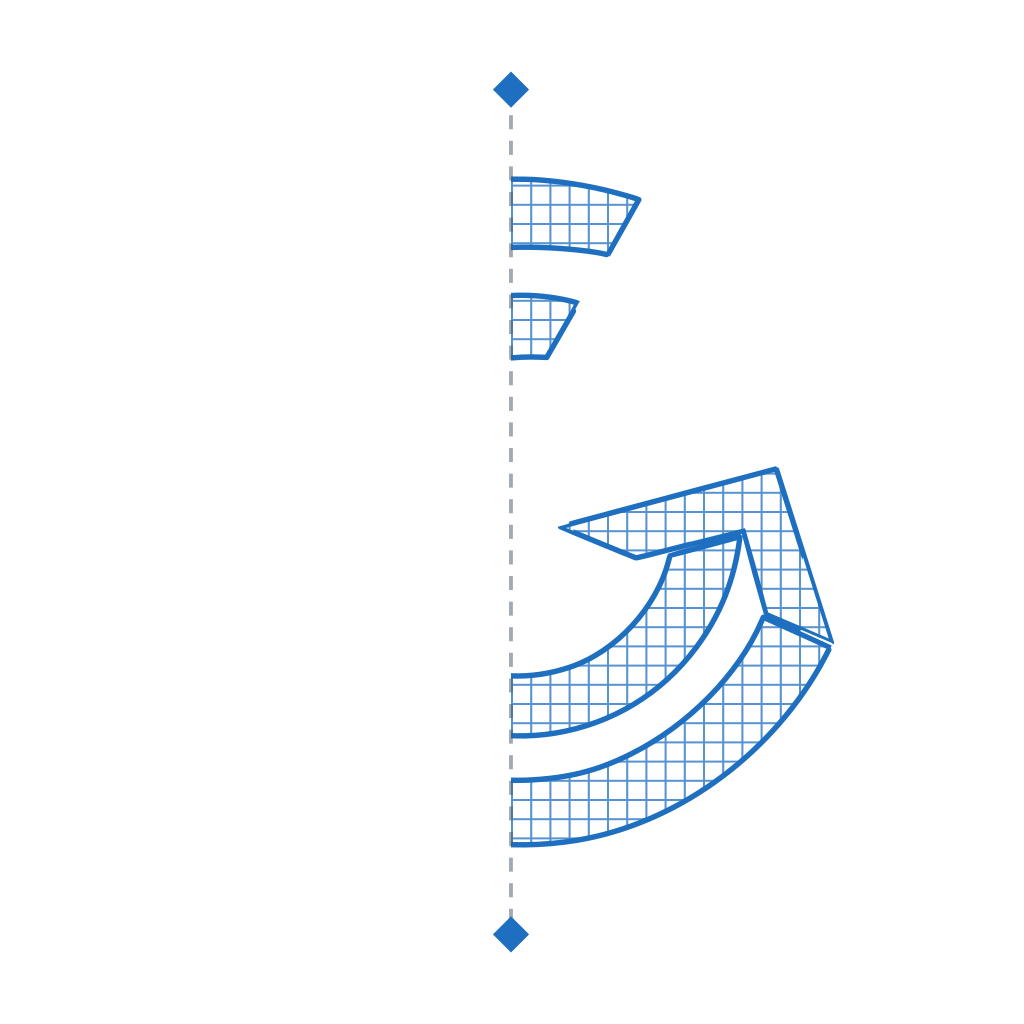
One mark, two states: the left half is the physical 3-D render, the right half is the same geometry as a gridded wireframe model.
Two Gs facing each other across a symmetry axis — the solid asset and its mirrored vector twin, darts meeting in the middle.
The mark stands on a horizon; its reflection below is rendered in scan-lines that fade out — the twin as a digital mirror image.
The mark projected as a scan-lined hologram from an emitter base — the twin as a live projection of the real thing.
The whole mark built from a jittered point cloud, each point sampled from the original render's colour — LiDAR capture as identity.
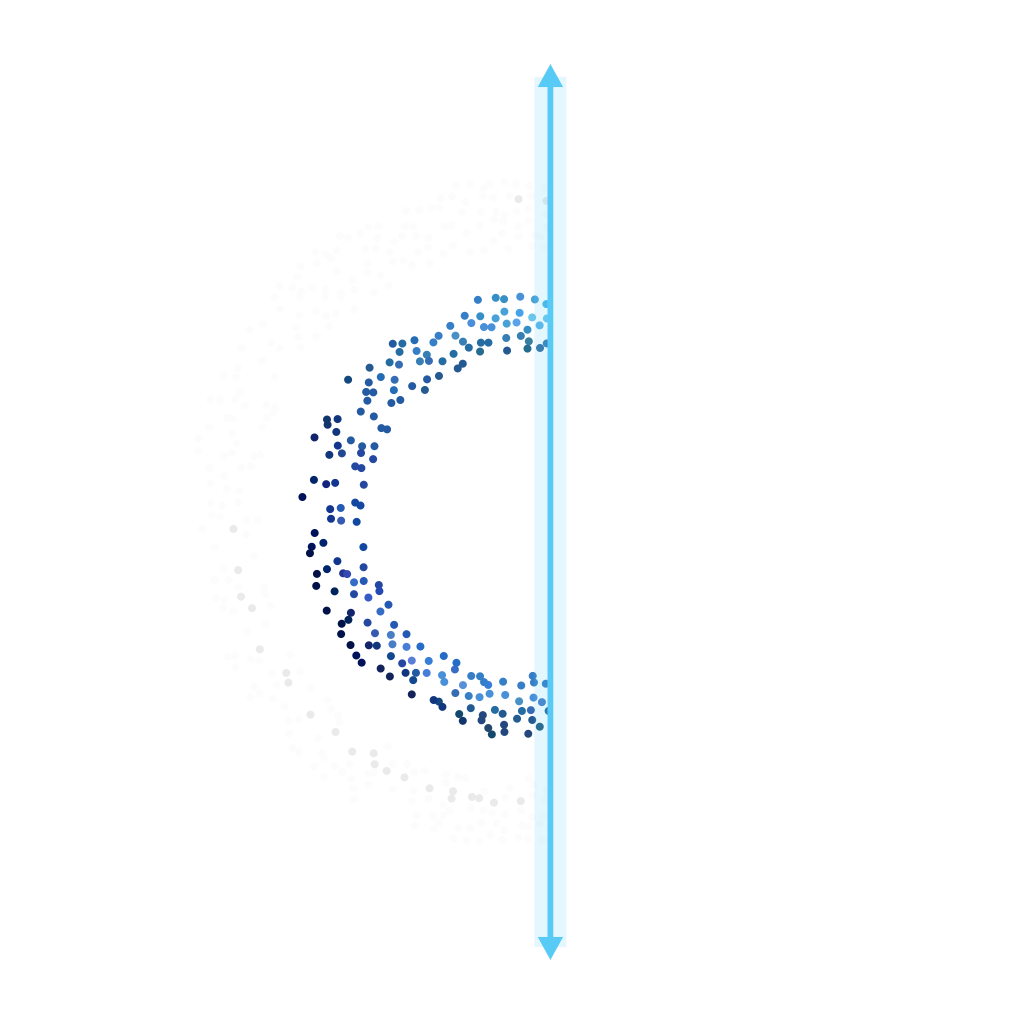
Read left to right: sparse scan points thicken toward the scan line and resolve into the finished, solid mark.
The mark quantised into a voxel grid — every cell carries the colour of the physical render beneath it.
The C and G triangulated into faceted meshes, like a model straight out of a photogrammetry pipeline.
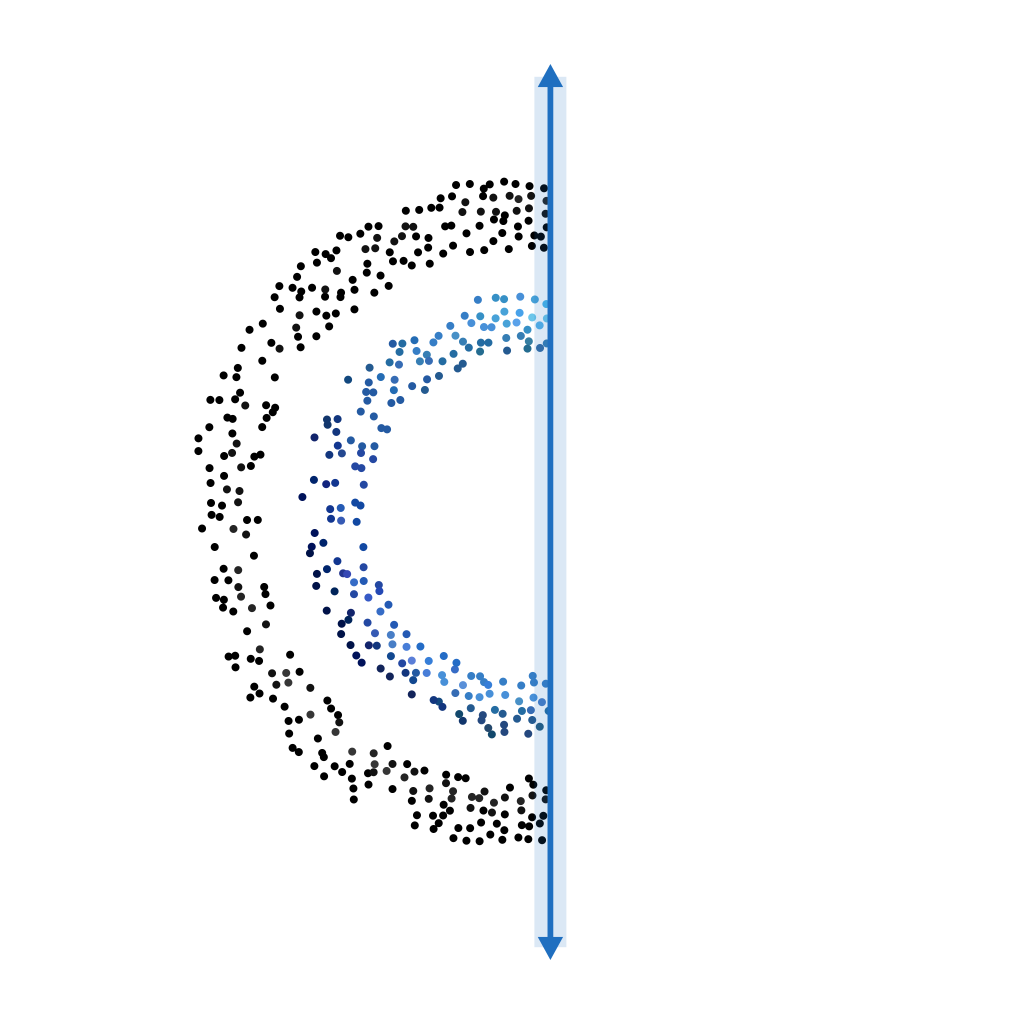
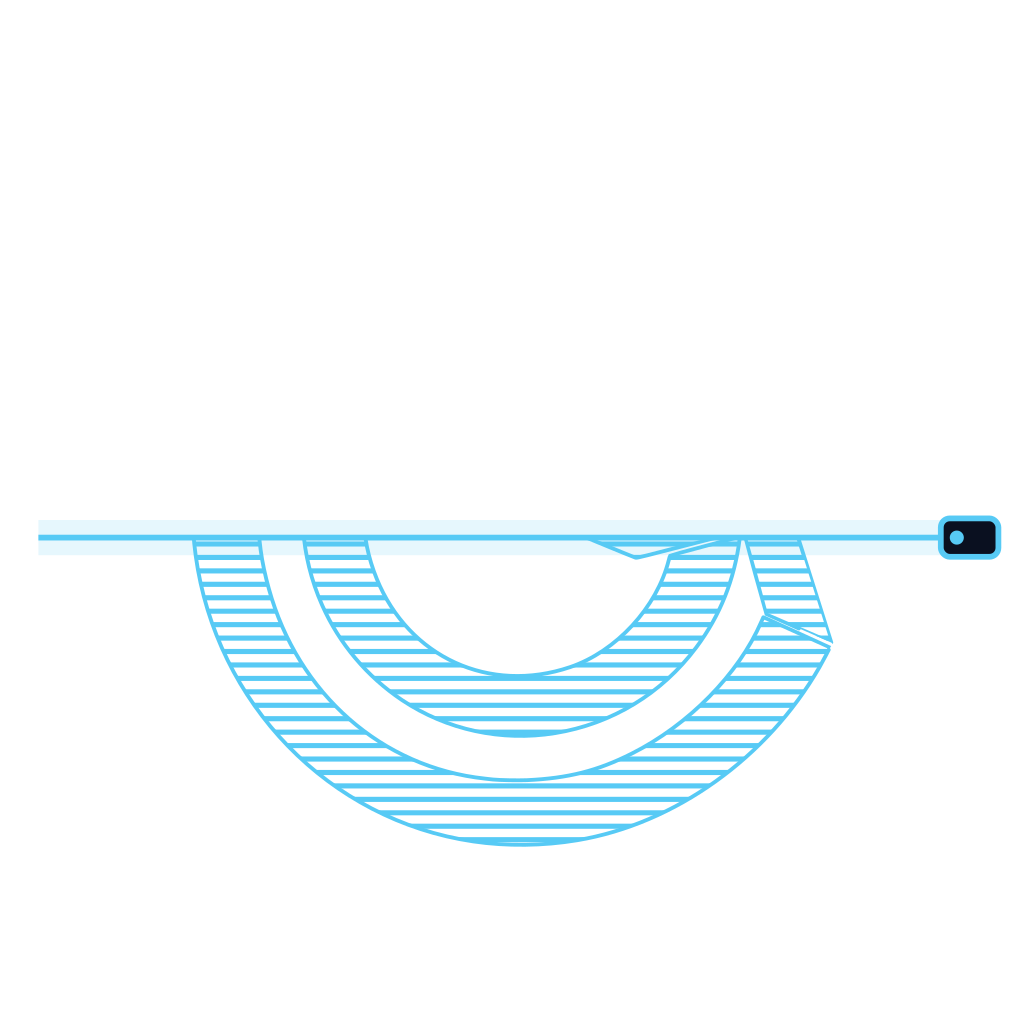
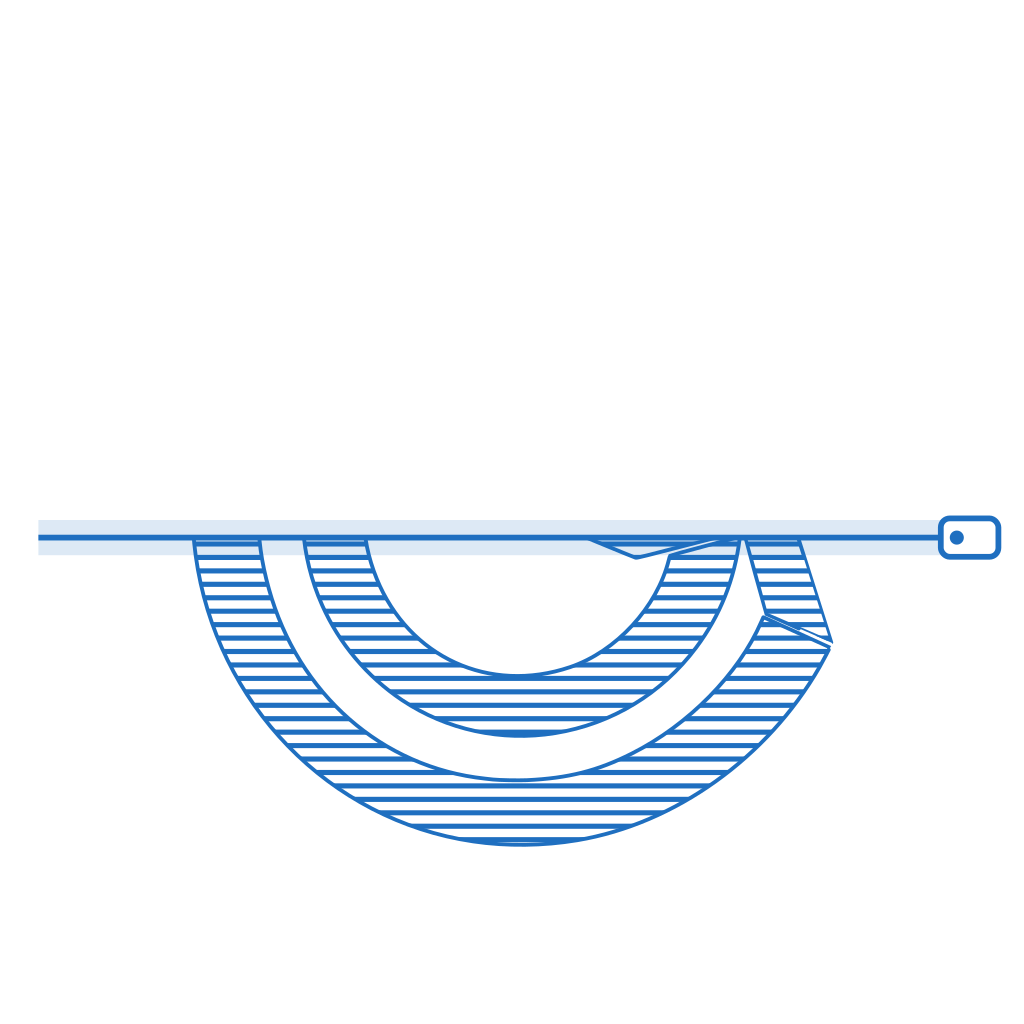
A laser line sweeps down the mark: above it the physical asset, below it the asset already digitised into scan-lines.
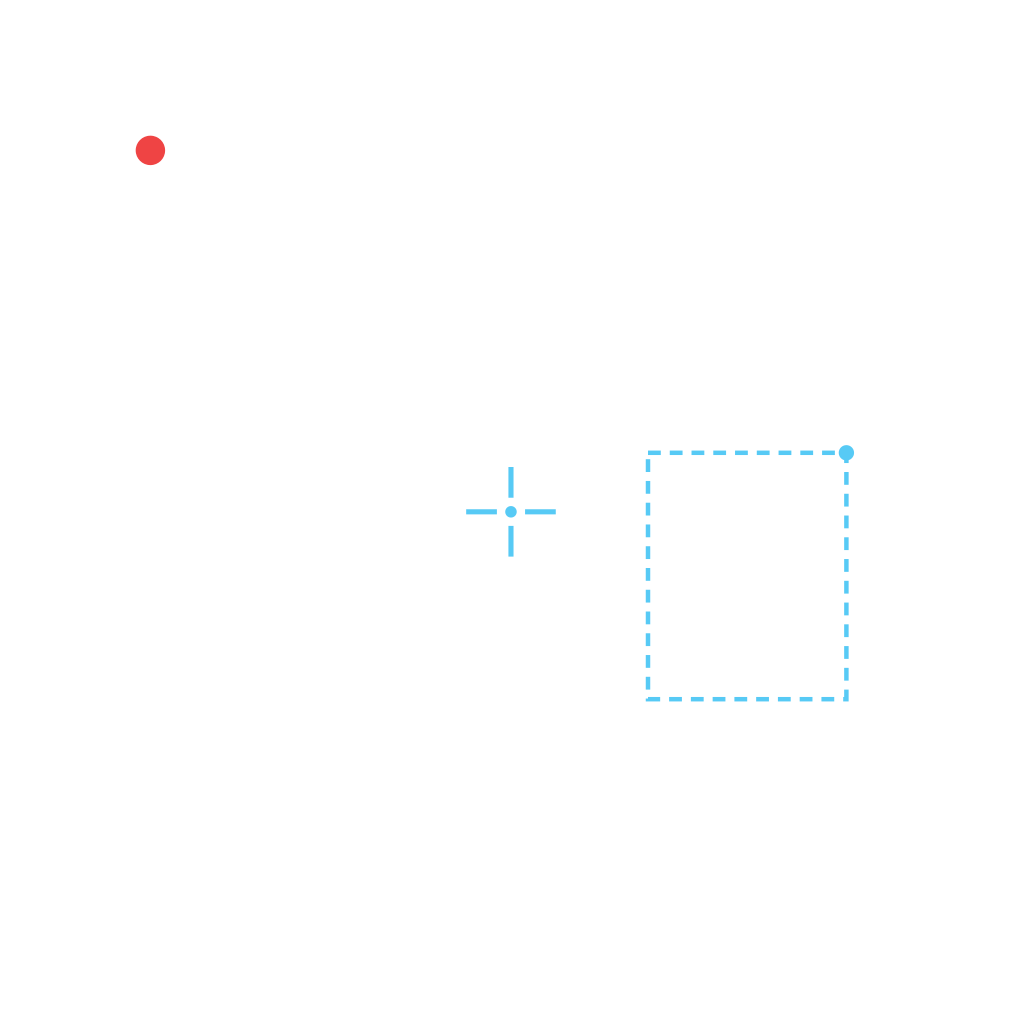
The mark framed in a capture viewfinder — recording dot, centre crosshair and a tracking box locked onto the dart.
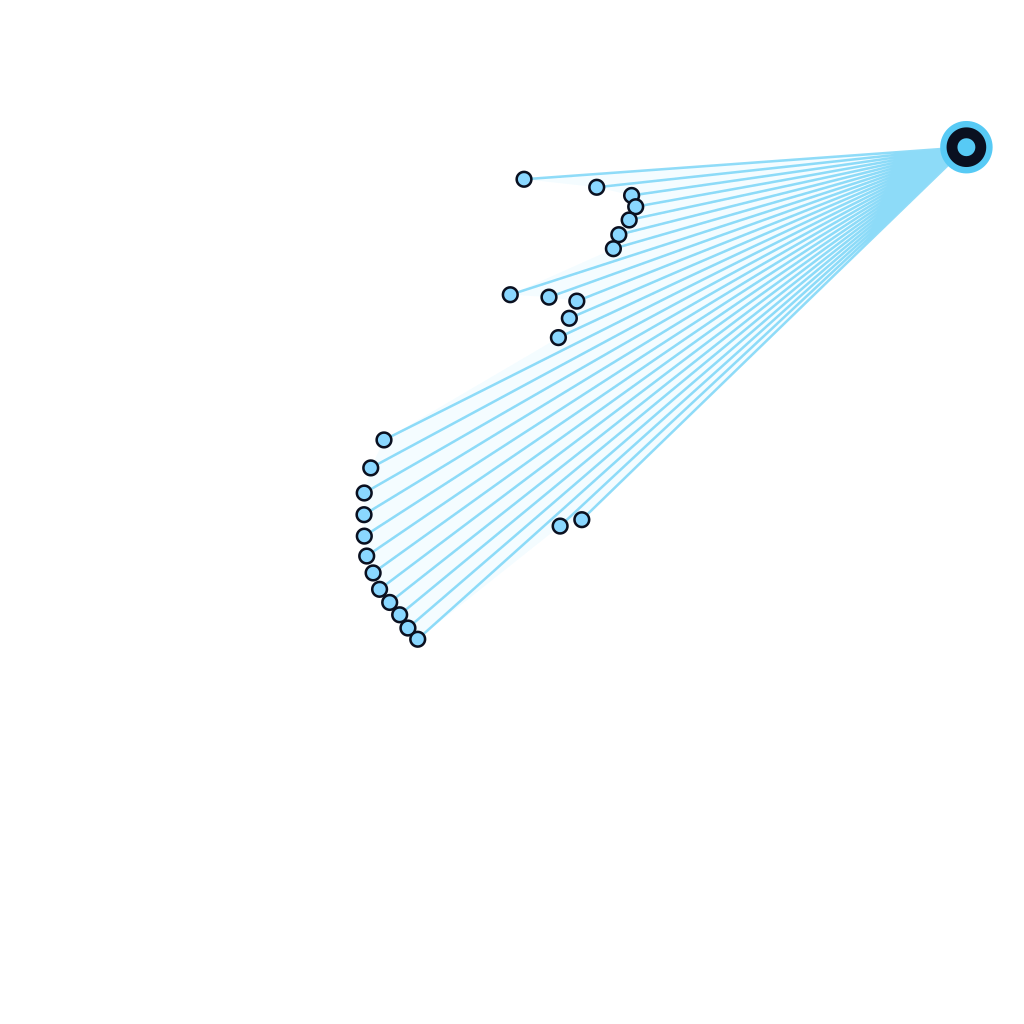
A scanner off the dart's heading fires rays that are genuinely ray-cast against the mark — every hit lands on a real surface.
The C and G filled with warped structured-light stripes, the bulge implying a measured 3-D surface.
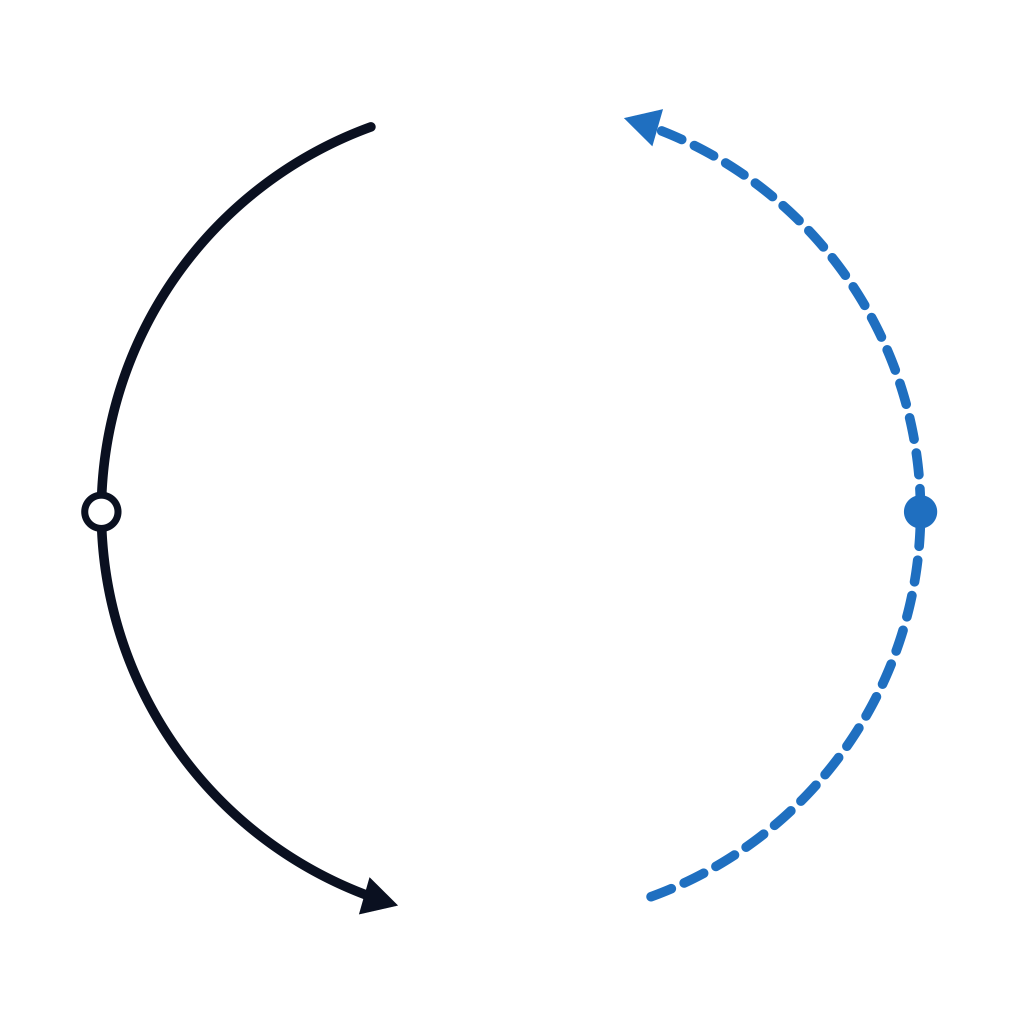
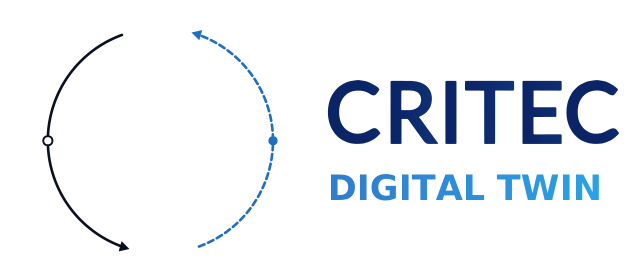
A two-way sync loop orbits the mark: a solid physical arc and a dashed digital arc chasing each other round.
A constellation of sensor nodes around the ring, wired to the asset and to the dart — the live IoT feed behind every twin.
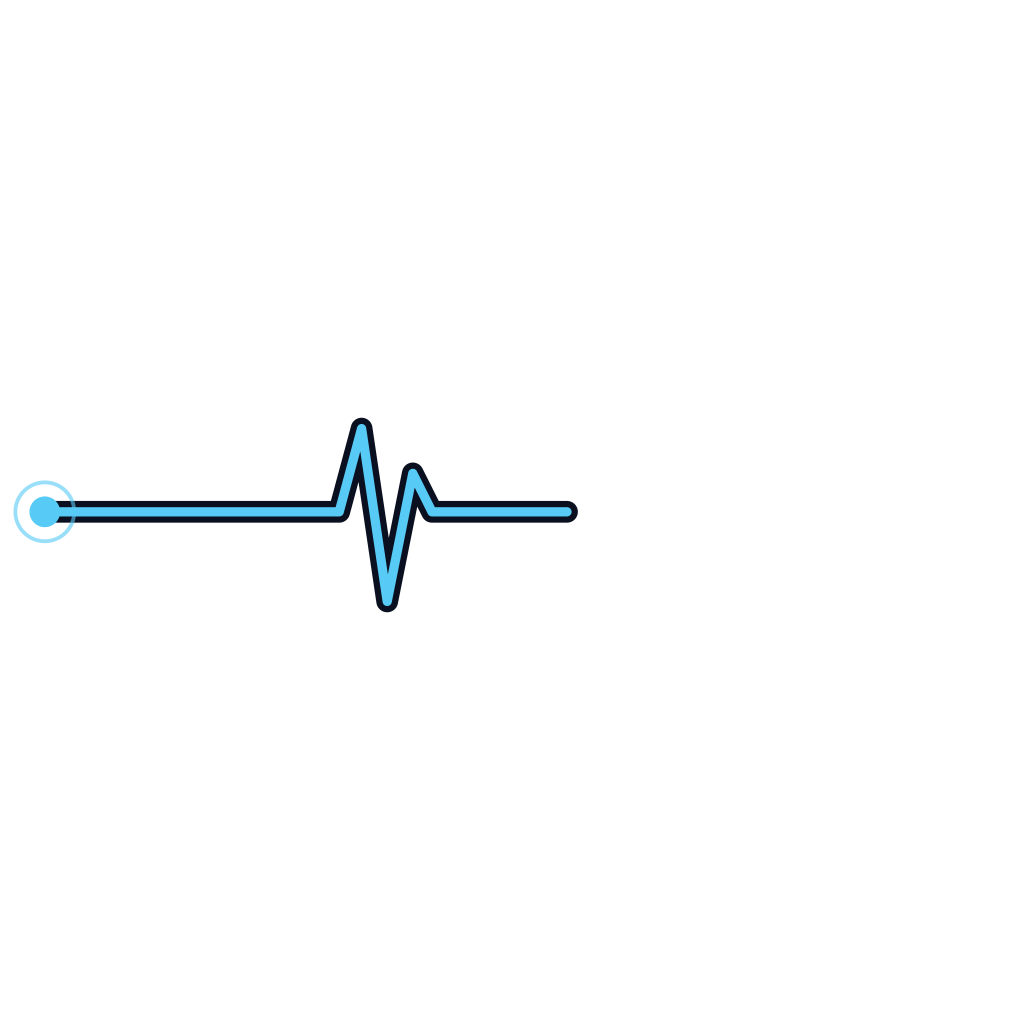
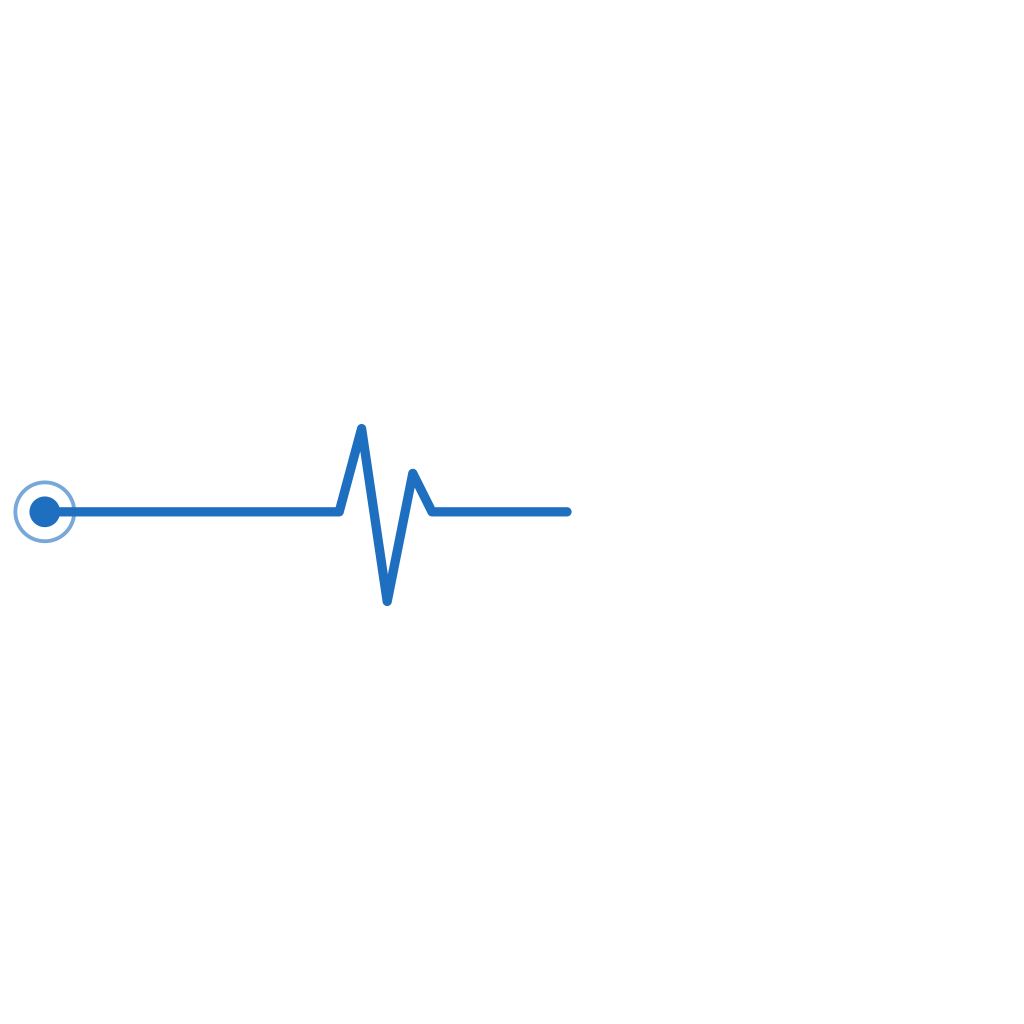
A telemetry heartbeat runs in from the left, spikes inside the G and becomes the dart — live data driving the arrow forward.
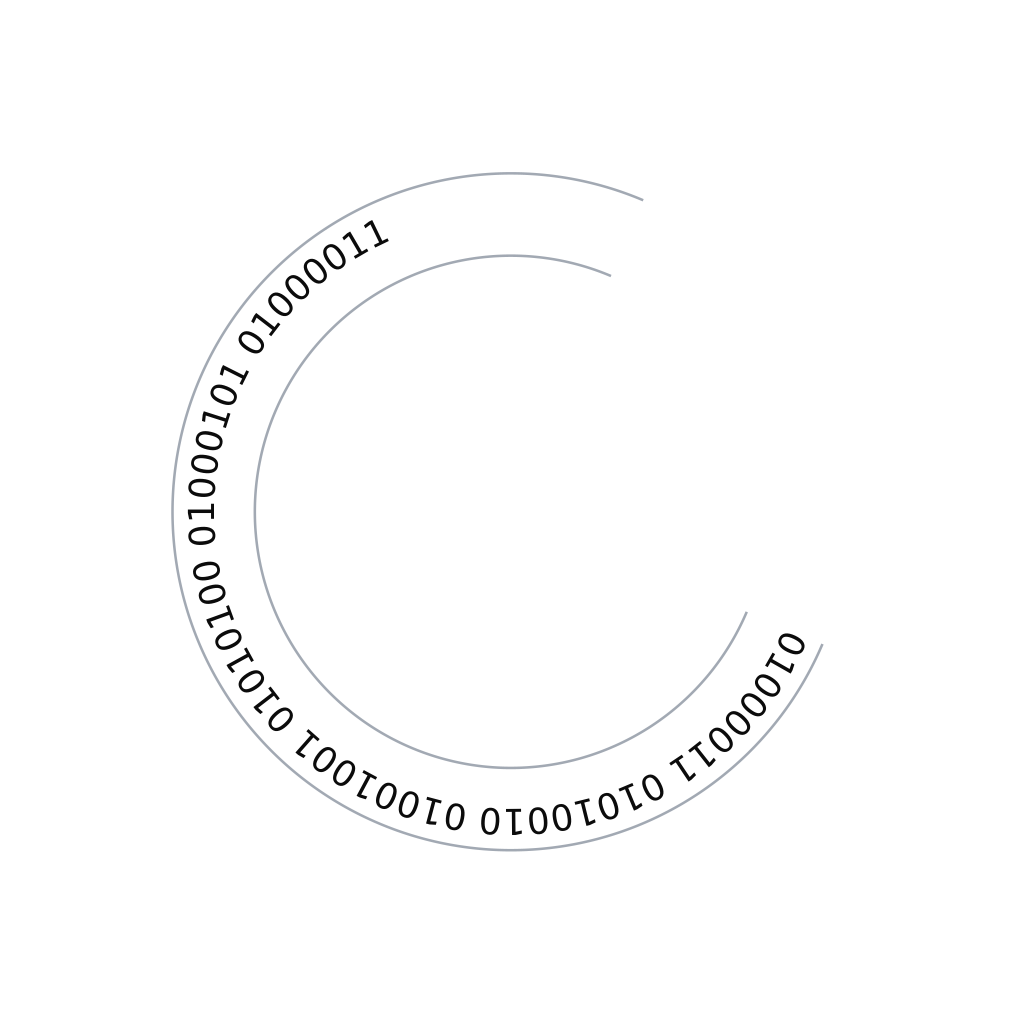
The black C ring re-set as a stream of binary (it spells CRITEC in ASCII) wrapped around the physical G.
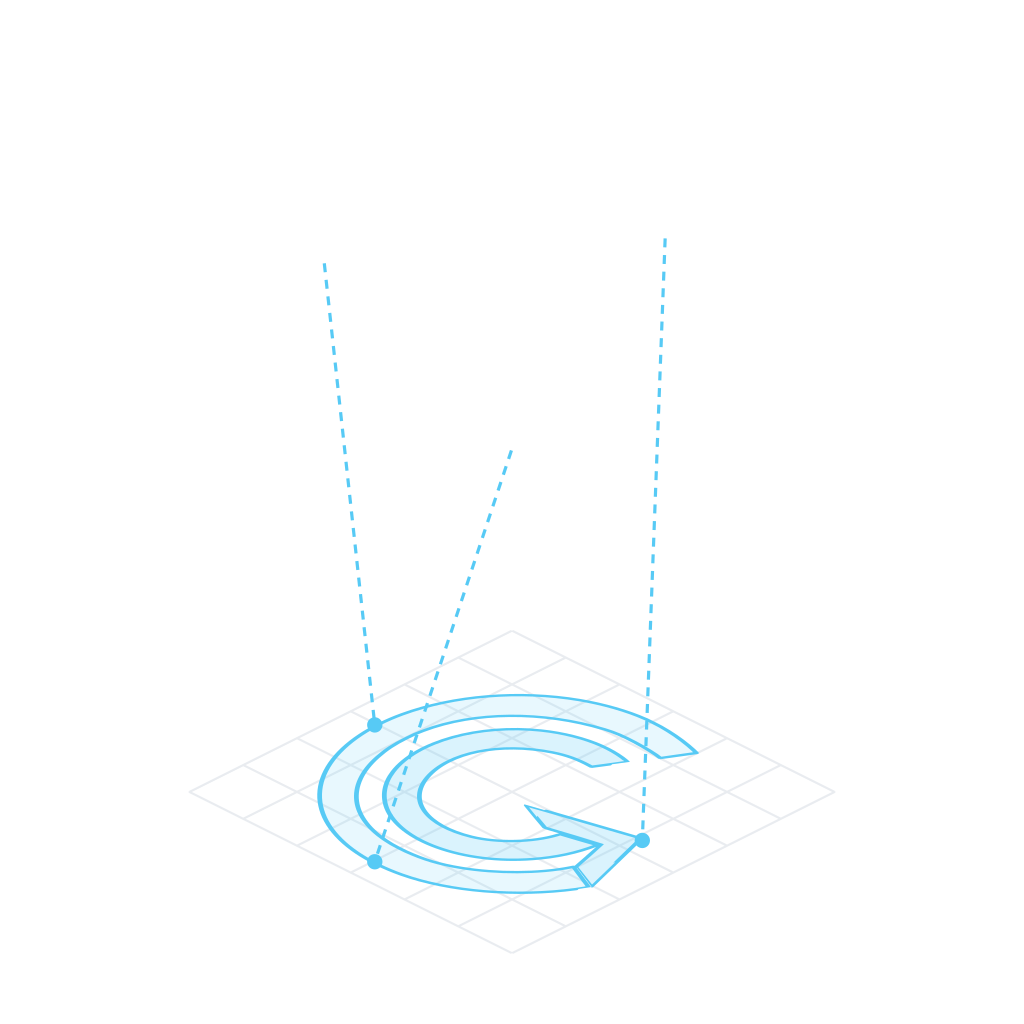
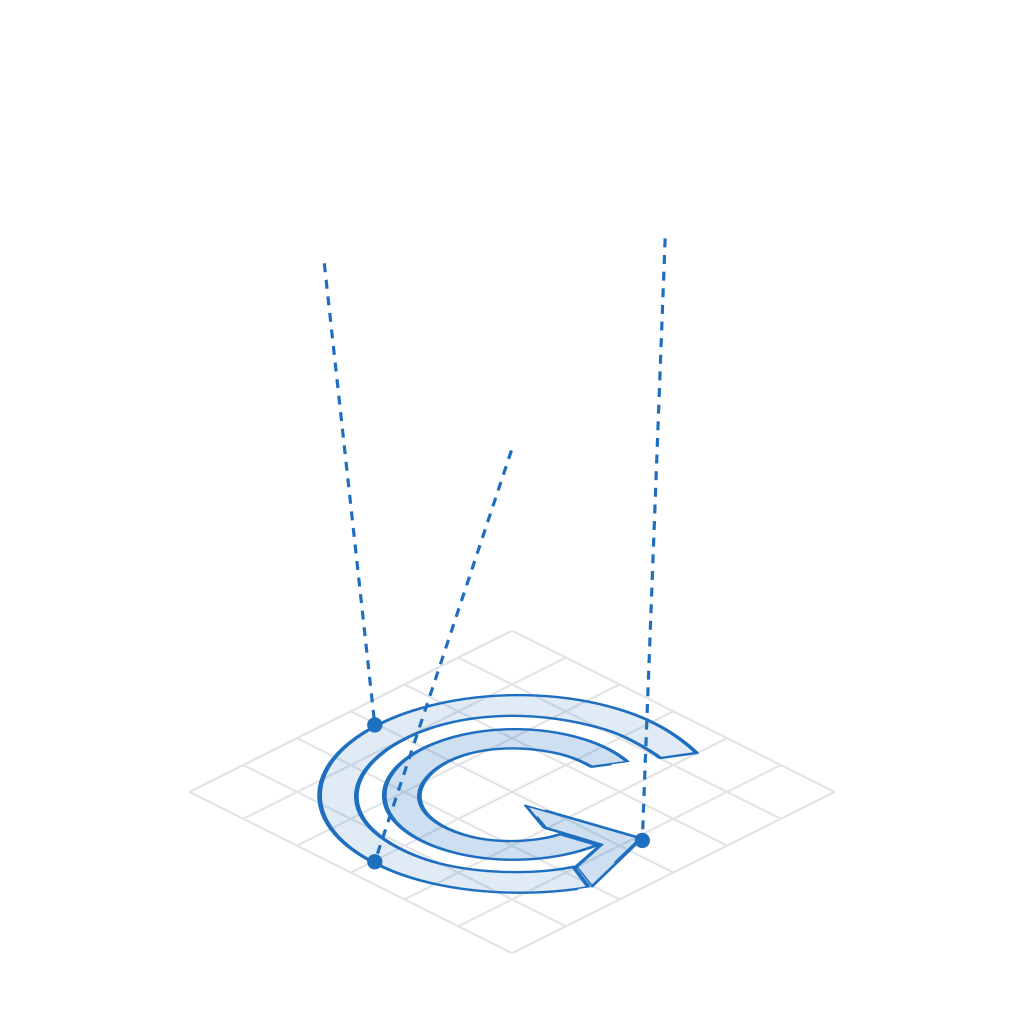
The upright mark above its own isometric plan — drop lines tie elevation to plan like a survey-to-model workflow.
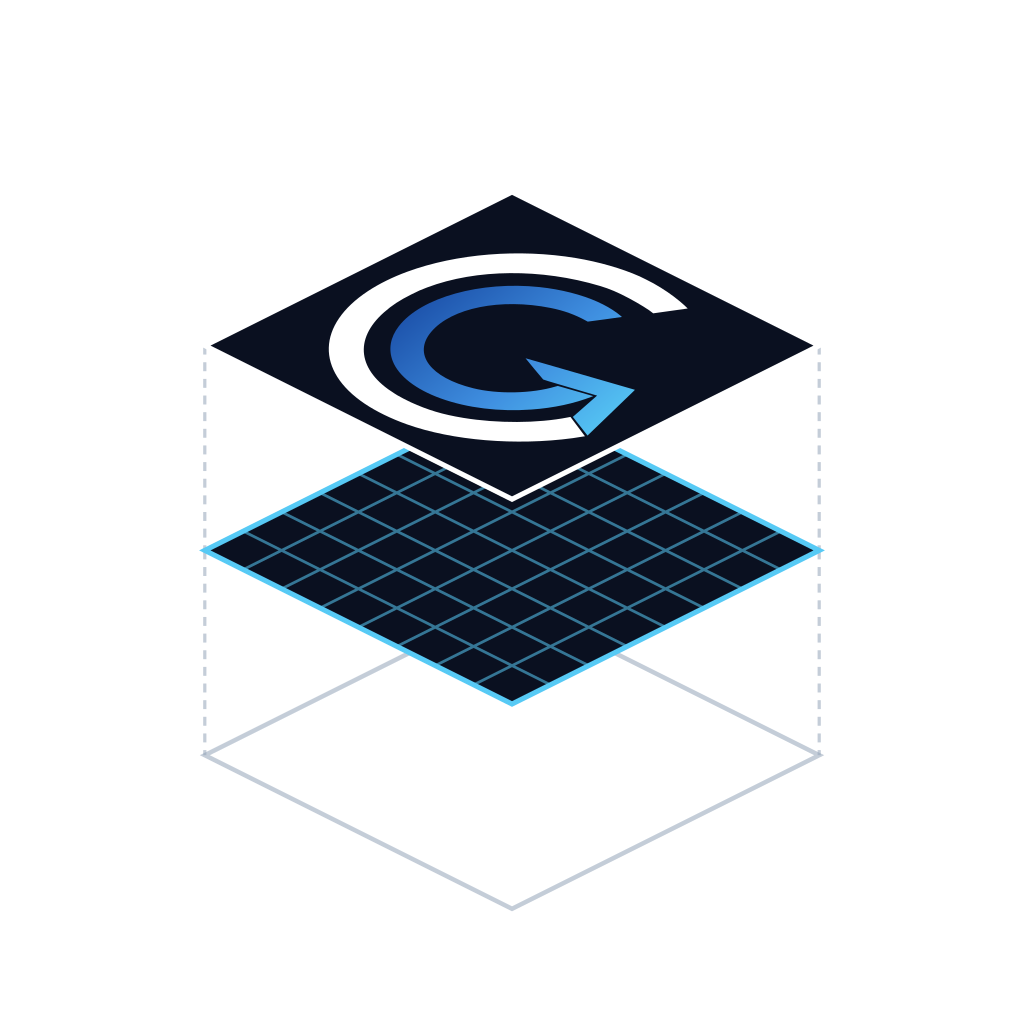
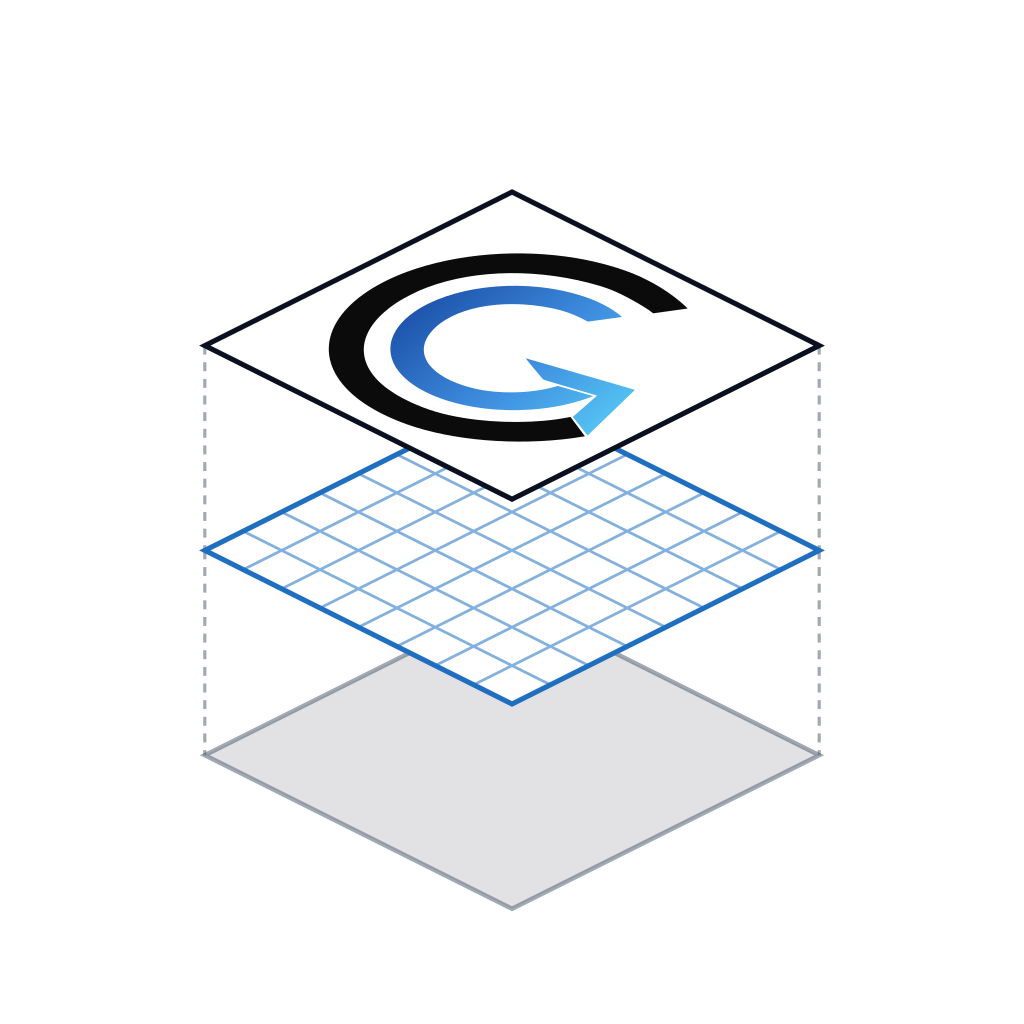
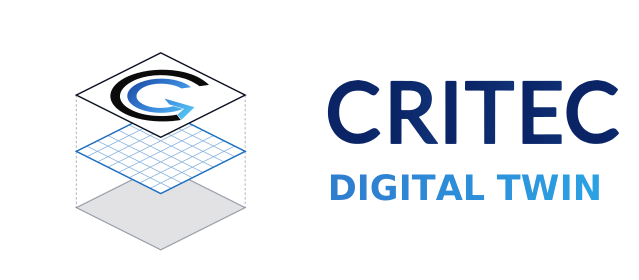
Three isometric layers — physical site, data grid and the twin itself, with the mark printed on the top plane.
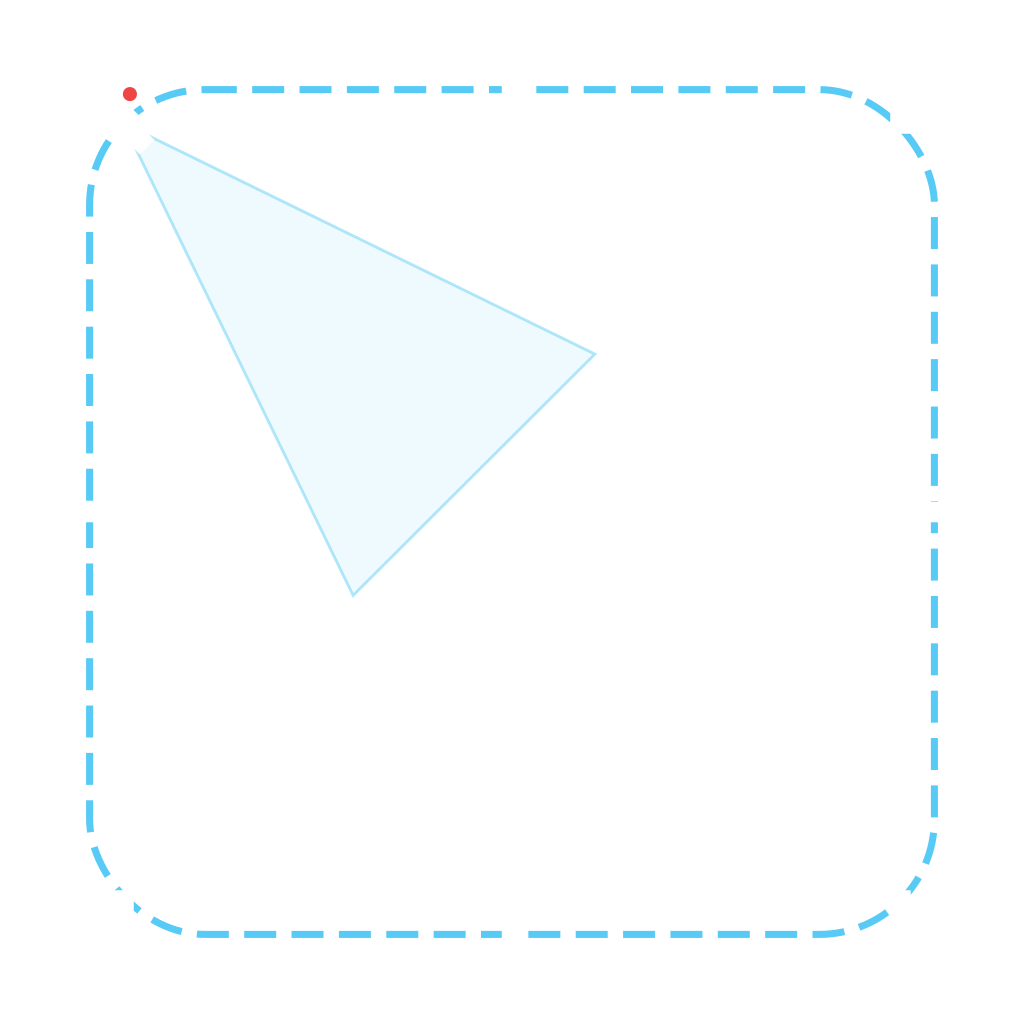
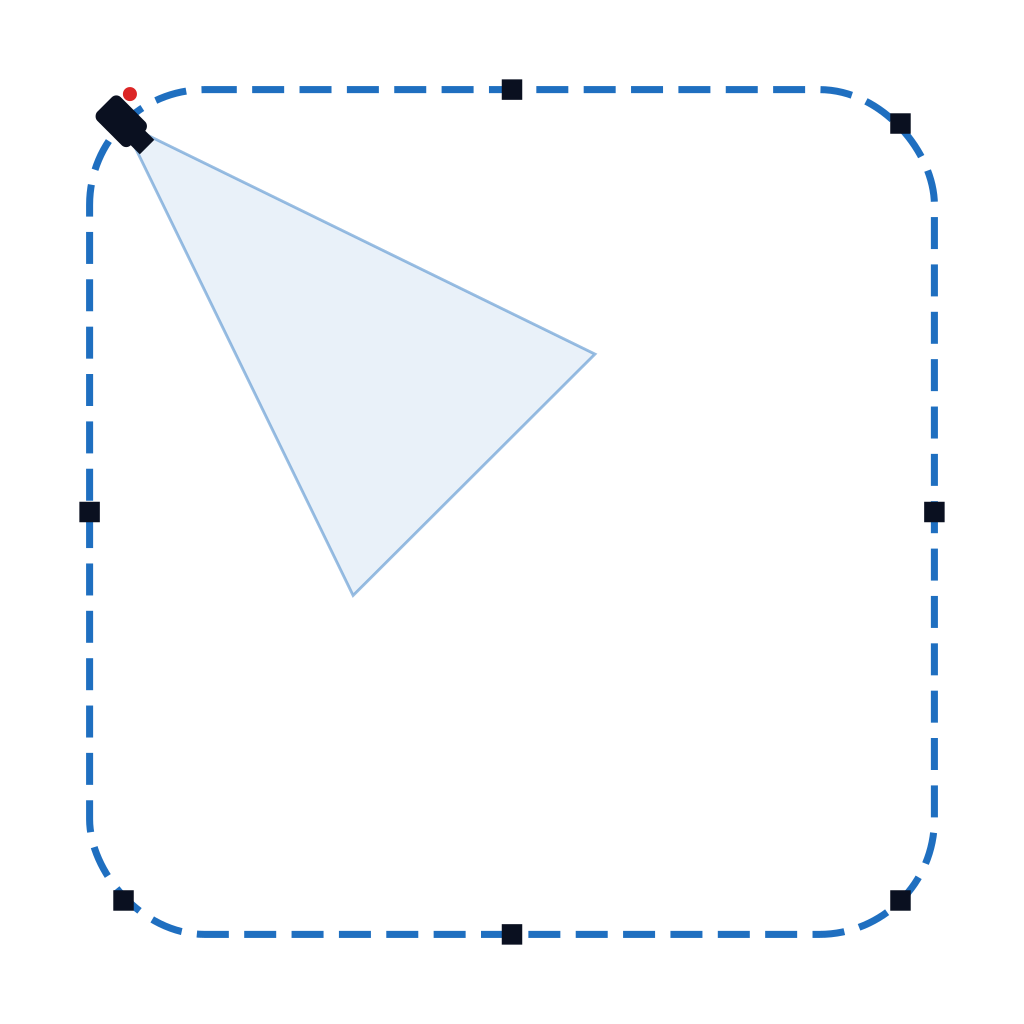
Critec's security heritage: the mark inside a fenced digital perimeter, watched by a camera with its field of view.
A wireframe globe turns inside the C ring, visible through the G — the digital world wrapped by the physical mark.
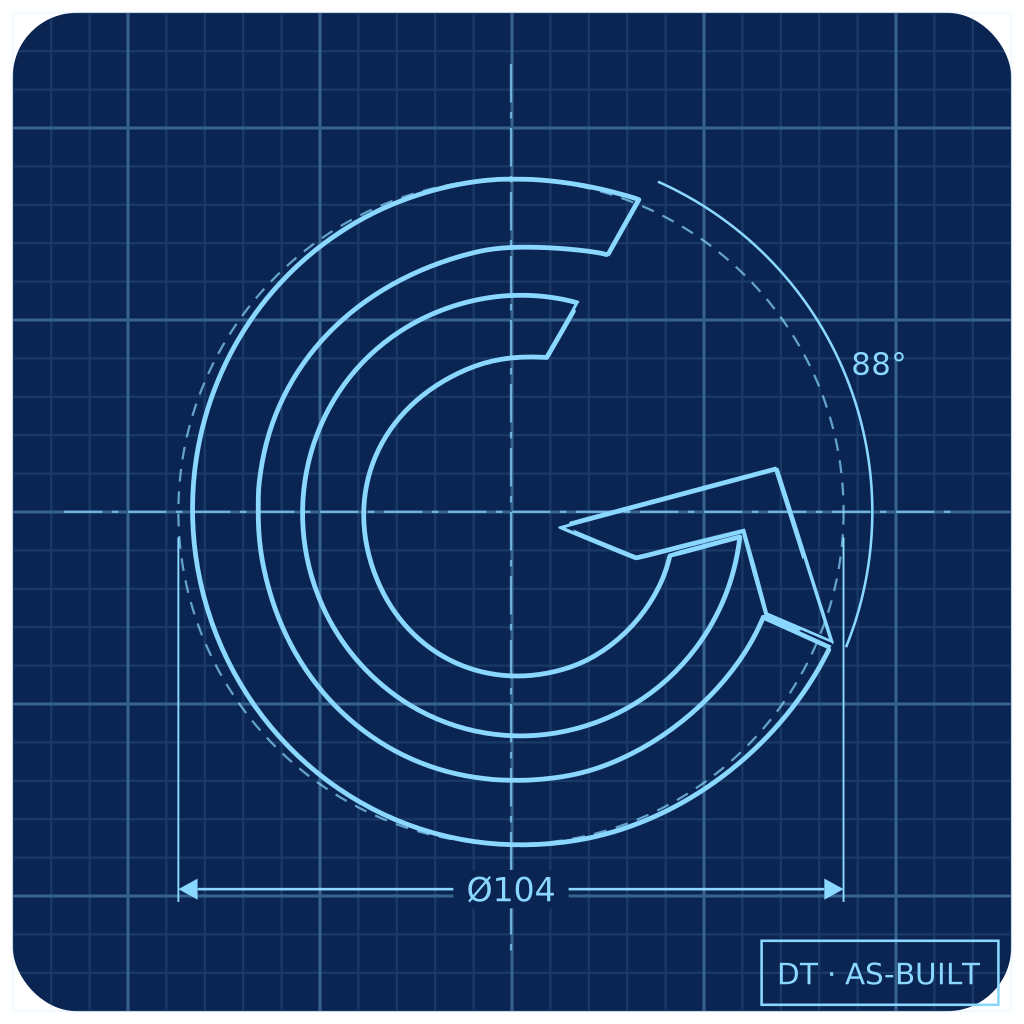
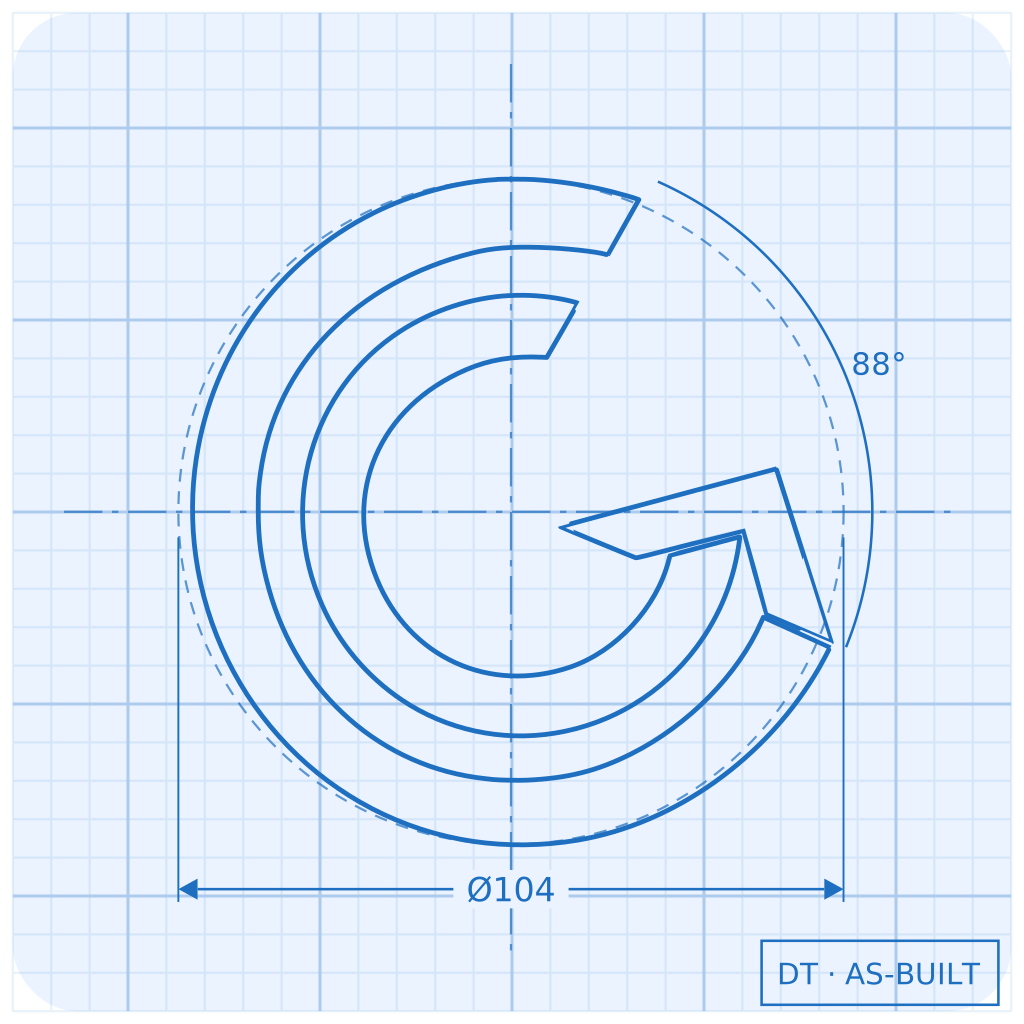
The mark as an as-built drawing: construction circle, centre lines, a diameter dimension and the ring's gap angle.
Offset contour lines trace the mark like a twin's tolerance envelope. The lockup sets DIGITAL in outline, TWIN in solid.
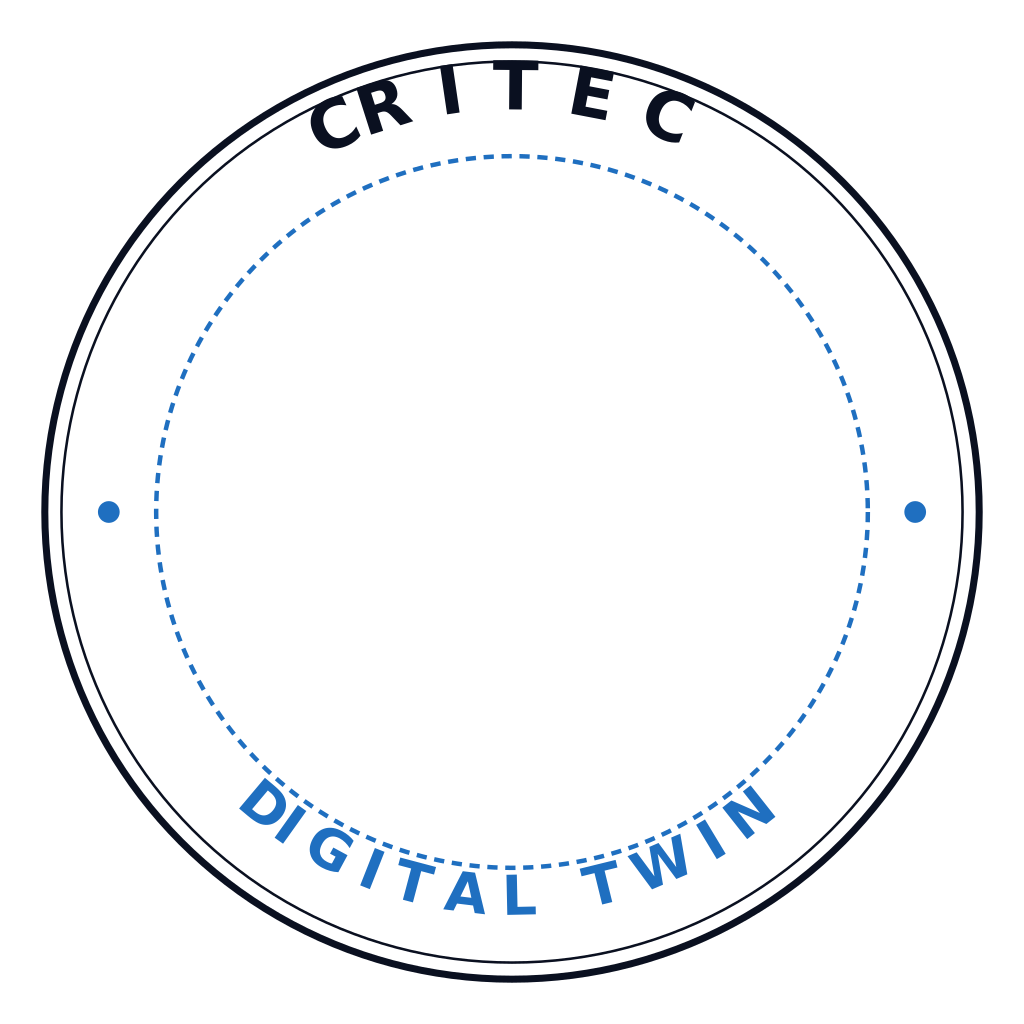
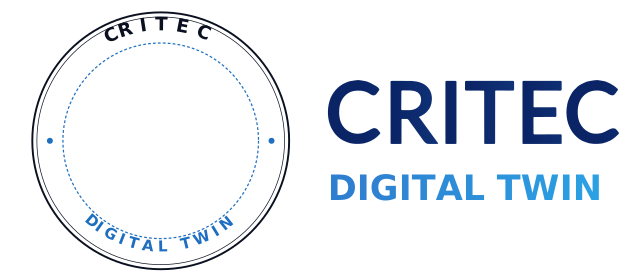
A circular seal for badges and stickers — CRITEC across the top, DIGITAL TWIN along the bottom, the mark at its centre.
An app / favicon tile: the mark on Critec navy with its cyan wireframe ghost and a green live indicator.